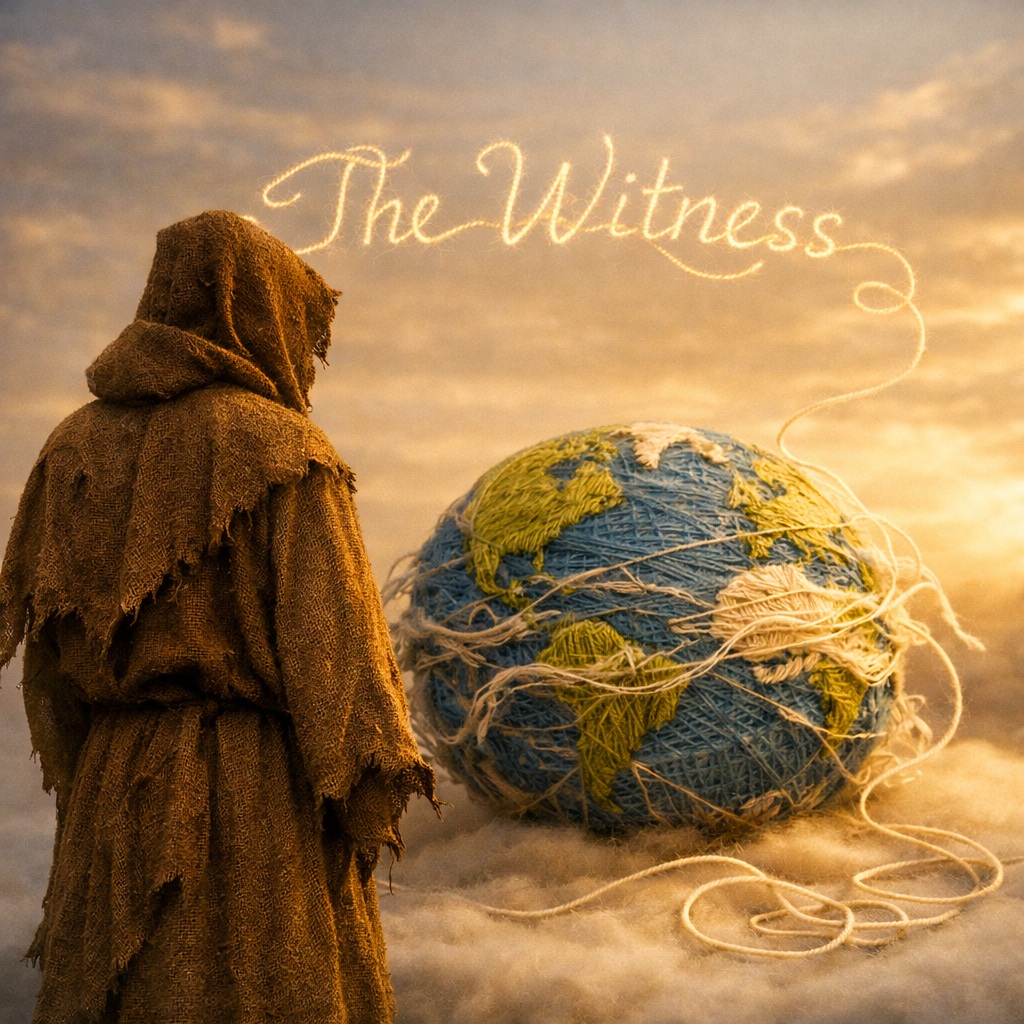

In the year 1602, in the Dutch Republic, something was created that the world had not quite seen before, and once it existed it never went away. It only changed its clothes.
The United East India Company, known by its Dutch initials as the VOC, was chartered by the Dutch parliament and granted a monopoly on all Dutch trade across half the globe. That alone would make it a powerful business. But the charter gave it far more than a monopoly.
The company was authorized to raise its own armies and command its own navy. It could build forts and wage war. It could negotiate treaties with foreign sovereigns in its own name. It could mint its own currency. It could establish colonies, govern territory, and try, sentence, and execute people in its own courts.
It was, in the plain meaning of the words, a private government, answerable to its shareholders, wearing the legal form of a trading company. A state that existed outside the state, devoted not to a people or a place but to a return on investment.
Sit with how complete that was, because the modern reader tends to assume there has always been a clear line between the government, which holds the army and the courts and the right to coin money, and the corporation, which merely buys and sells.
The VOC dissolved that line at the very birth of the modern corporation, and dissolved it on purpose. That’s because the people who chartered it understood that conquest was expensive. They understood that a profit-seeking company, freed to use force in pursuit of margin, would conquer more efficiently than a crown ever could. Sending home dividends while doing it.
There was cruelty that followed in the Indonesian archipelago. The massacres and the forced monopolies and the populations worked to ruin for the spice trade, this was not a corruption of the model.
It was the model running as designed, opportunism handed an army and pointed at a source of profit, meeting no resistance it could not crush, and therefore taking everything it could reach.
The word corporation comes from the Latin corpus, body. A corporation is a legal fiction that lets many people act as a single body, one that can own, sue, and persist after any individual member is dead. That last property is the quiet monster in the machinery. A corporation does not age. It does not lose its nerve. It does not have the deathbed second thoughts that have softened more than one human tyrant. It is, structurally, the closest thing we have ever built to the deathless, shameless, tireless opportunist of the prelude. The artificial person with all of a person’s appetite and none of a person’s brakes. The VOC was the first great one. It is the direct ancestor of every modern entity that is larger and richer than the governments it operates among. The ancestor that owes them no loyalty, and that will, given the chance and the absence of friction, take exactly as much as it can.
To the top of the ladder: what powers that properly belong to the public have you quietly gathered into a private body, and how much of your advantage depends on the line between government and company staying as blurred as you have helped to make it?
To everyone else: which functions of your own government, the ones meant to answer to you, have been handed to bodies that answer only to their shareholders, and when were you ever asked?
Chapter Comments
Reading-only view here. Join or reply in the full forum thread: Open Discussion
No comments yet for this chapter.