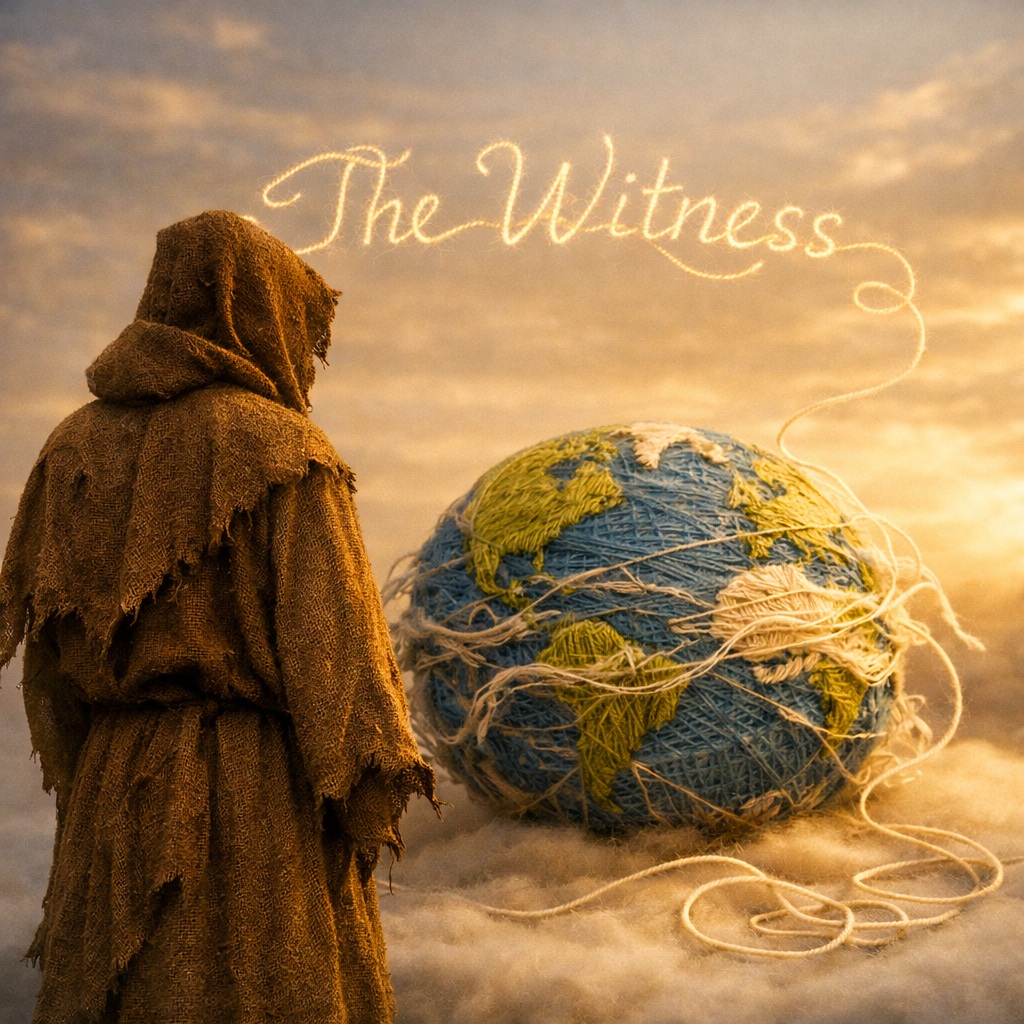

You have watched the hub move since the beginning of the book. From the first land claim through the temple to the trading floor to the chartered company to the host nation and the captured legislature. Before the book turns, in its last movement, to look in the mirror. I want to hand you the tool I have been using in front of you the whole time, so that you can find the hub yourself, in your own century, your own industry, your own town, long after you have put this book down.
The hub is not a place. It is a configuration, and it has a recognizable shape in every era. Look, first, for where the most essential want is most completely controlled. Not any want. The deep ones. The ones the body or the heart cannot refuse: salt, then silver, then oil, then credit, then attention itself.
The want changes with the century. The move does not.
Look, second, for where the arrangement feels most like nature and least like a choice. The hub never experiences itself as the hub. Divine right felt like the order of the cosmos to the people inside it. The current arrangement of global money and power feels, to most people inside it, simply like the way the world is.
When you find the place where questioning the basic setup gets you treated not as wrong but as strange, naive, not serious, you have found where the seal is most complete.
Look, third, for where the money goes when it is not afraid. Follow the wealth not to where it is hidden but to where it sits at ease, openly, unworried, and you have found the center of gravity.
Look, fourth, for where the corrections are most loudly celebrated and least structurally threatening. The celebrated hearing, the landmark ruling, the honored whistleblower: these are real, and they are also the hub’s most sophisticated seal. The correction the hub can absorb and applaud is precisely the correction that does not threaten the structure.
Watch the ratio between corrections that are celebrated and corrections that actually change who holds the necessity.
And look, fifth, for where the next hub is being built. The current hub always contains the infrastructure of its own succession. The water is always already finding the next low place, and you can often see it moving before it arrives.
Five markers. Controlled necessity, naturalized arrangement, comfortable money, celebrated-but-hollow correction, and the seed of the next host. They will not give you certainty. They will give you a direction to look, and a way to keep looking after I am no longer the one pointing.
To the top of the ladder: run the five markers on your own position, honestly, and tell yourself the truth about how close you are sitting to the hub, and how much of your comfort depends on the arrangement around your continuing to feel like nature.
To everyone else: now that you have the markers, what is the hub in your own life, the necessity you cannot refuse and barely question, and what would change if you looked straight at it instead of through it?
Chapter Comments
Reading-only view here. Join or reply in the full forum thread: Open Discussion
No comments yet for this chapter.