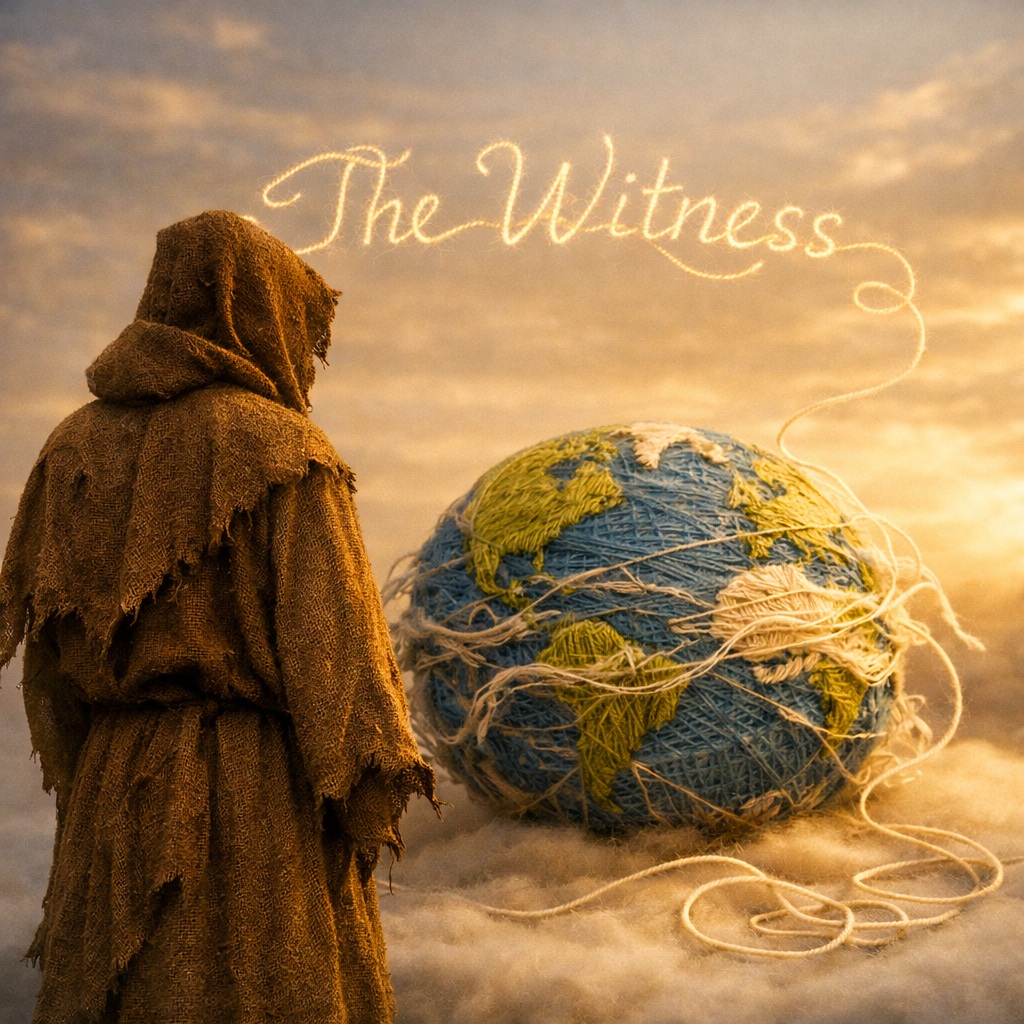
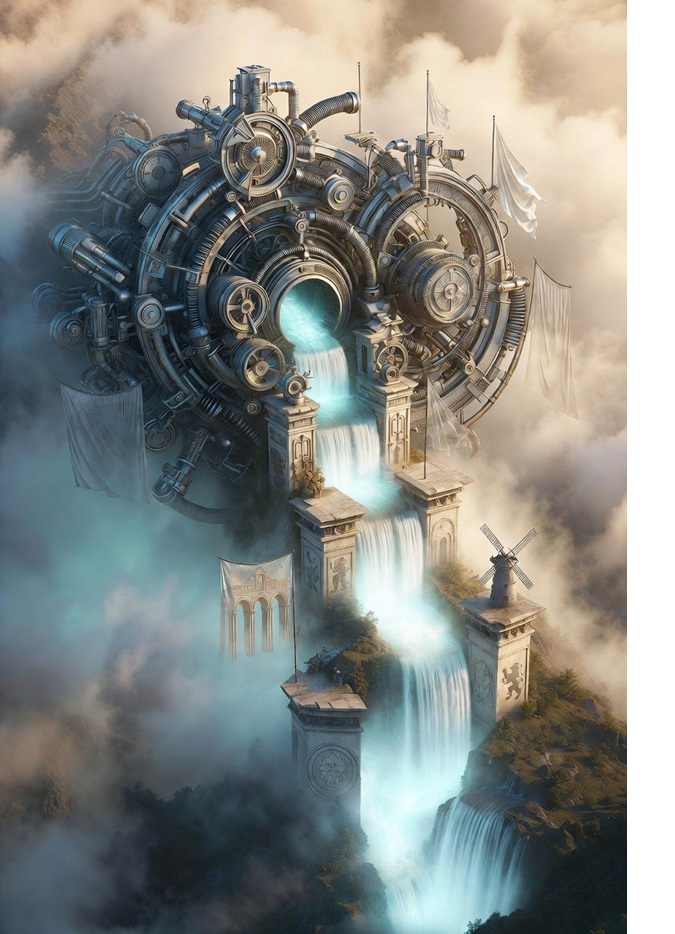
There is a temptation, once you have followed the machine this far, to start looking for the country that runs it. To find the flag, name the villain nation, and point.
I want to head that off, because it is the single most common way people misread everything this book has been building, and the misreading is itself a kind of seal: it gives you a target to hate and lets you stop looking at the structure.
The machine has no home country. We established this all the way back with the stateless merchant and the chartered company that owed loyalty to no flag. We confirmed it with the Basel meeting in the previous movement, the board that kept functioning through the worst war in human history because the machinery was more important than any side.
What the machine has is hosts.
A host is a place that, for a time, offers the machine the least friction: the most reliable courts to enforce its contracts, the strongest military to protect its routes, the deepest pools of capital, the most useful story about why all of this is freedom.
The machine flows into the best host. The way water flows to the low place, and it has changed hosts before, from the Italian trading cities to the Dutch Republic to the British Empire, each one in its turn the indispensable center of the world. Each one certain the centrality was about its own special virtue, each one eventually finding the water had moved on.
After 1945, the United States became the best host the machine had ever found, and it became so almost by accident of survival. The other industrial powers had burned themselves to the ground in two wars. America was intact, and productive, creditor to the world, holding most of its gold, with the only major economy still standing. The capital flowed in. The institutions of global trade were built around its currency.
This is the part worth holding onto, because it is more honest and more unsettling than the version where America is the villain: America was not conquered, and it did not conquer the machine. It was occupied the way the best host is always occupied, by usefulness, by gravity, by being the place where the machine met the least resistance.
Interests flowed in not because anyone decreed it but because that is what interests do, downhill, toward the opening. So when the rest of this movement describes things done by American power, do not read them as the crimes of a uniquely wicked nation.
Read them as what the machine does through whatever host is currently strongest, the same things it did through Amsterdam and London, now done through Washington and New York. Because that is where the leverage currently sits.
The host changes. The behavior does not. And the host's own people are, very often, among those the machine extracts from.
Which is why a working man in the host country and a working man in the country the host exploits have far more in common than either has with the machine that uses them both.
The flag is a costume. The machine has worn many.
To the top of the ladder: how much of what you call patriotism is actually loyalty to the machine that currently wears your flag, and what would you do if the water moved to another host tomorrow, taking your advantage with it?
To everyone else: who taught you to aim your anger at the people of some other nation, rather than at the structure that uses them and you in the very same way, and who benefits from keeping your anger pointed sideways instead of up?
Chapter Comments
Reading-only view here. Join or reply in the full forum thread: Open Discussion
No comments yet for this chapter.